
Navigation
Sidebar
projects:2018:aims_iss:aims_iss
Advanced Inventory Management System (AIMS) for the International Space Station (ISS)
This project was my group's final project for a Human Space Flight class I took at Columbia University in Spring 2018. The idea was that NASA and their ISS astronauts could create an automated and instant-access inventory management system on the ISS by placing a RFID reader and microcontroller in each of their several hundred Cargo Transfer Bags (CTB). The system would be able to identify every item inside its bag as each item would have an attached RFID tag. Each microcontroller could connect wirelessly to a central computer that tracks the entire inventory of the ISS.
Electronics
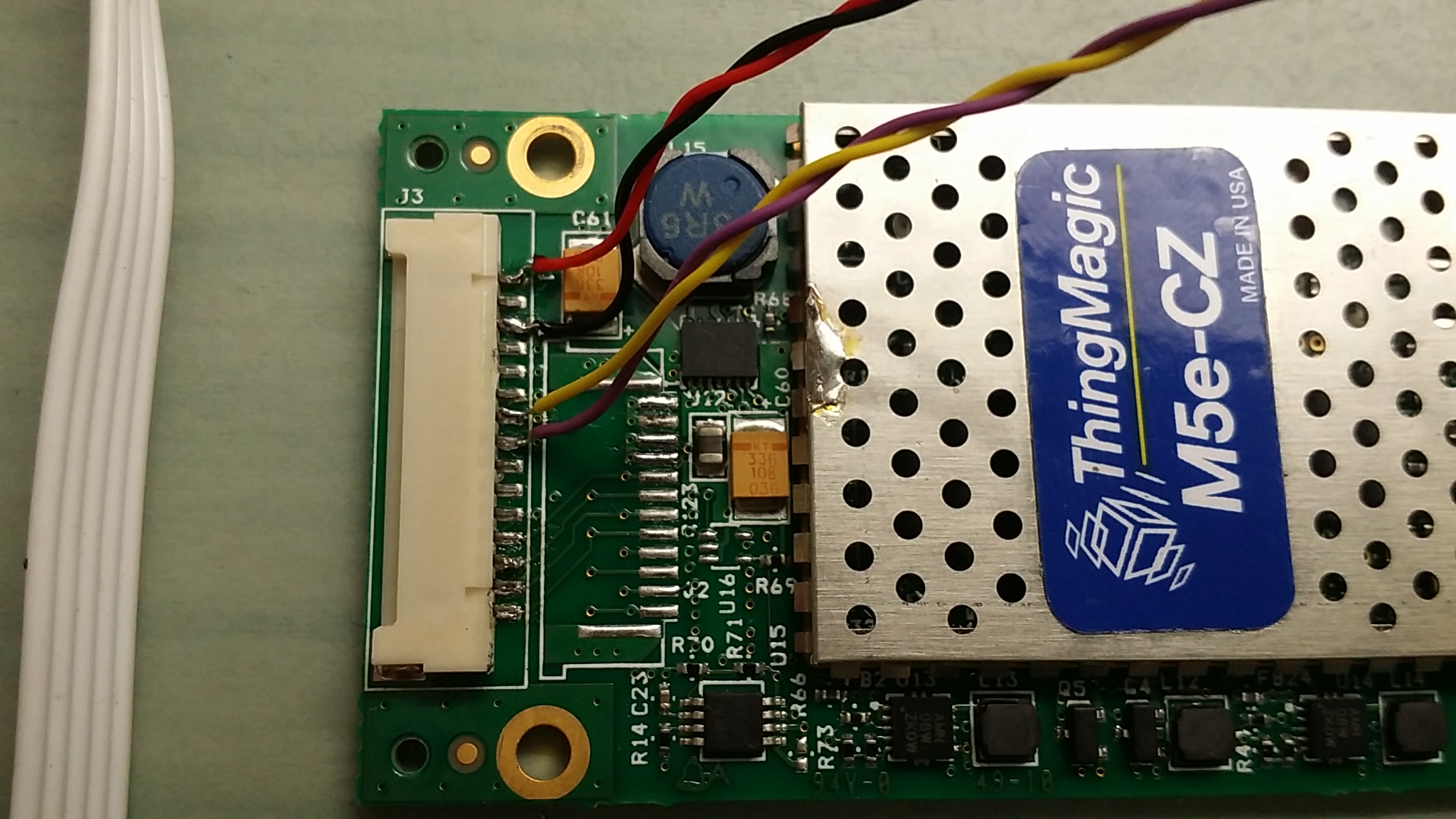
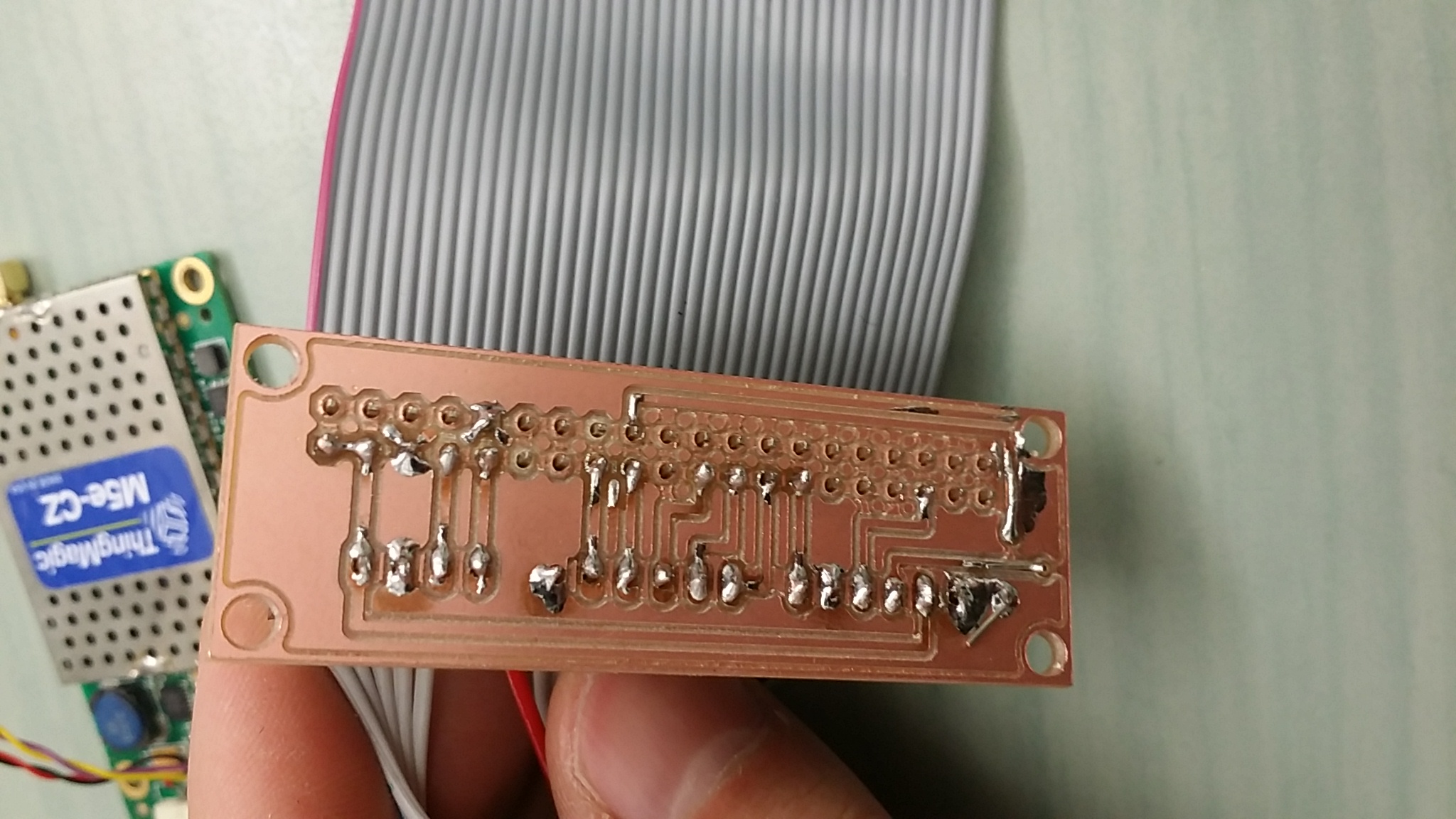
The electronics consist of following components:
- Raspberry pi zero w
- ThingMagic M5e-CZ RFID reader
- Custom designed and fabricated patch panel PCB

Enclosure
We 3D printed an enclosure for the unit.


Software
The software for this project is written in Python and is intended to run on a Raspberry Pi. The code is available here. For me, the hardest part of this project was finding and adapting a python library that could talk to the m5e RFID reader.
Configuration 1
The first configuration places the unit into a “CTB” with a number of items (tape, cd case, bins, wooden blocks, etc), each mounted with a passive RFID tag. The system did a pretty good job of identifying every item within the “CTB”. However, items could get lost in corners of if they were behind particularly dense objects. Also, metal and liquids (water) pretty much killed all propagation. However, we lined the “CTB” with aluminum foil to keep the reader from detecting items outside the box, and this worked quite well.


Configuration 2
We also envisioned an application where some of these units could be mounted at various locations throughout the ISS. If an astronaut wanted to know where to return an item, they could walk up to the unit, put the item (with RFID tag) in front of the unit, and press a button. The unit would then tell the astronaut where to put the item.
Here, the unit just scanned a box of ramen noodles, and ideally, the display would then inform the user where to store the item.

Conclusions
The written and presentation portions continue on from here, but this was the end of our hardware portion of the project.
projects/2018/aims_iss/aims_iss.txt · Last modified: 2019/02/02 18:59 by admin


